

How to Politely Decline Wedding Invitation
Declining a wedding invitation can feel tricky, but it doesn’t have to be. You want to show appreciation for the couple’s special day while being honest about your reasons for not attending. It’s important to navigate this situation with care and respect. If you’re uncertain about how to approach this delicate matter, the following tips will guide you through the process seamlessly. Let’s explore the best ways to handle your response.
The Essentials
- Respond promptly to the invitation to respect the couple’s planning and avoid uncertainty about your attendance.
- Express gratitude for the invitation, acknowledging the couple’s effort in organizing their special day.
- Clearly state your reasons for declining, whether financial, scheduling, or personal, while maintaining respect for the couple’s feelings.
- Use the appropriate medium for your response, such as a handwritten note for traditional invitations or a polite email for digital ones.
- Maintain the relationship by reaching out to celebrate after the wedding and keeping communication open.
Understand Your Reasons for Declining

Before you can politely decline a wedding invitation, it’s important to understand your reasons for doing so. Think about what’s motivating your choice. Are you facing financial constraints, scheduling conflicts, or personal matters that prevent you from attending? Perhaps you’re dealing with travel difficulties or maybe you simply can’t connect with the couple’s vision for their big day. Whatever the reason, clarify it in your mind first. This understanding will not only help you craft a thoughtful response but also give you the confidence to communicate your decision respectfully. Being aware of your own feelings and circumstances will make it easier to handle any follow-up questions or potential awkwardness when discussing your absence later on.
Respond Promptly to the Invitation
Although it might be tempting to put off your response, it’s best to reply to a wedding invitation as soon as you can. Delaying your response can create uncertainty for the couple, who need to finalize their guest list and seating arrangements. By responding promptly, you show respect for their planning efforts and help them make necessary adjustments. Even if you’ve decided to decline, sending your reply quickly is courteous. It allows the couple to focus on their special day without worrying about outstanding RSVPs. Plus, it gives you the chance to express your appreciation for the invitation and share your best wishes. Remember, timely communication goes a long way in maintaining good relationships.
Use the Right Medium for Your Response
Once you’ve decided to decline the wedding invitation, it’s important to choose the right way to communicate your decision. If the invitation was sent via traditional mail, responding with a handwritten note can feel more personal and sincere. Alternatively, if the invite came through email or a digital platform, a polite email or message might be more appropriate. Consider the couple’s preferences and how formal or informal their invitation was. Whichever medium you choose, make sure your response is clear and respectful. Avoid using social media for this purpose, as it can seem impersonal. Ultimately, the goal is to convey your message thoughtfully, ensuring your response aligns with the couple’s communication style.
Express Your Gratitude
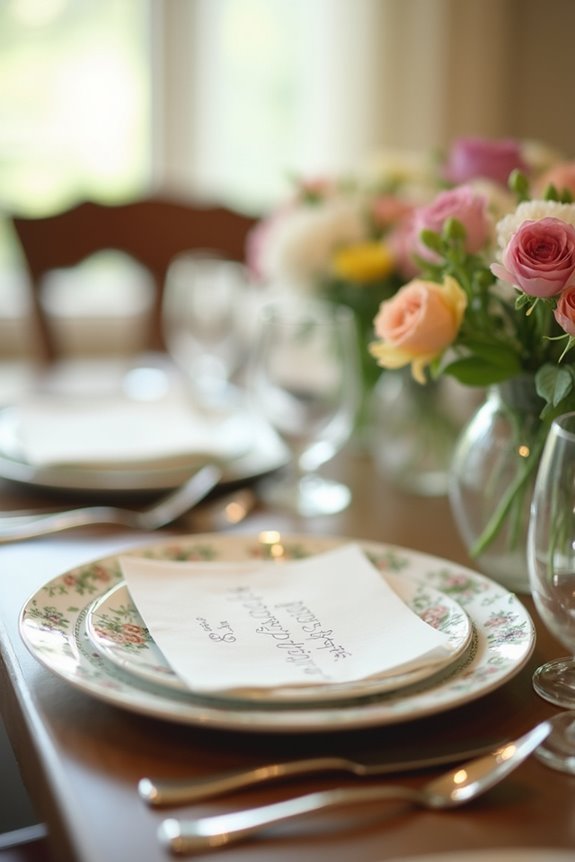
Expressing gratitude is an essential part of politely declining a wedding invitation. When you receive an invite, it’s important to acknowledge the effort the couple put into planning their special day. Start your message by thanking them for the invitation, and let them know how much it means to you. You might say something like, “I’m truly honored you thought of me.” This not only shows your appreciation but also reinforces your connection with them. Share a quick compliment about their relationship or the wedding itself, emphasizing how excited you are for them. By expressing your gratitude sincerely, you set a positive tone for your message, making it easier for the couple to understand your decision while feeling appreciated.
Keep Your Message Simple and Honest
When you decide to decline a wedding invitation, keeping your message simple and honest is key. You don’t need to overthink your response; a straightforward approach works best. Start by expressing your gratitude for the invitation, then state your regret in a clear manner. For example, saying “I’m really sorry, but I won’t be able to attend” conveys your feelings without unnecessary details. Avoid lengthy explanations or excuses that might complicate your message. Remember, the couple deserves your sincerity, so be genuine in your response. You can also wish them well on their big day, adding a touch of warmth. Ultimately, a simple and honest message will be appreciated and keeps the communication respectful and clear.
Offer a Brief Explanation if Appropriate
Although it’s not always necessary, offering a brief explanation can help provide context for your decision to decline a wedding invitation. If you feel comfortable, you might mention a scheduling conflict or personal reasons. For example, saying, “I have a prior commitment that day” can clarify your absence without going into too much detail. Just be mindful not to overshare—keeping it concise is key. If it’s due to financial constraints or travel issues, a simple acknowledgment can suffice, like, “I’m unable to attend due to travel difficulties.” Remember, the goal is to express understanding and support for the couple while maintaining your boundaries. Ultimately, it’s about being respectful and considerate without feeling obligated to provide a lengthy explanation.
Suggest Alternative Ways to Celebrate

If you can’t attend the wedding, consider suggesting alternative ways to celebrate the couple. A thoughtful way to show your support is to propose a get-together before or after the wedding. You might suggest a casual dinner or a fun outing that allows everyone to share their best wishes and celebrate the couple’s love. Another option is to organize a small gift or card party with friends to send a collective message of love and joy. You could also offer to video call them on their special day, letting them know you’re thinking of them. Whatever you choose, make it personal and heartfelt to show that you truly care, even if you can’t be there in person.
Stay Positive in Your Response
Staying positive in your response can make all the difference when declining a wedding invitation. Begin by expressing gratitude for the invite; it shows you appreciate the gesture. You might say something like, “Thank you so much for inviting me to your special day.” Follow this by sharing your regret about not being able to attend. Instead of focusing on the negative, highlight how happy you are for the couple. A simple, “I’m really sorry to miss it, but I’m thrilled for you both!” keeps the tone uplifting. You can also mention looking forward to catching up after the wedding, showing your continued interest in their happiness. This way, you decline gracefully while maintaining a warm and positive connection.
Maintain the Relationship Post-Decline
While it’s natural to feel concerned about maintaining your relationship after declining a wedding invitation, there are simple ways to show you still care. First, reach out personally to express your regrets. A heartfelt phone call or message can go a long way in reinforcing your bond. Make sure to acknowledge the significance of their special day and let them know you’ll be thinking of them.
Additionally, try to arrange a get-together after the wedding to catch up and celebrate their new chapter. This shows you’re still invested in their happiness. Ultimately, keep the lines of communication open. Regularly check in with them, share updates about your life, and remind them that your friendship remains strong, even if you can’t attend the wedding.
Consider Sending a Gift or Card
What better way to show your love and support than by sending a thoughtful gift or card? Even if you can’t attend the wedding, a small gesture can mean a lot to the couple. Choose something that reflects their interests or a piece from their registry if they have one. A heartfelt card expressing your best wishes can also add a personal touch, letting them know you care.
When sending a gift, consider timing. It’s best to send it either before or shortly after the wedding date. This way, they’ll appreciate your thoughtfulness as they start their new journey together. Remember, it’s not about the price tag; it’s the sentiment that counts. Your kindness will surely be remembered!
Frequently Asked Questions
How Should I Handle Declining an Invitation From a Close Family Member?
You should express your gratitude for the invitation, explain your reasons honestly but gently, and reassure them how much they mean to you. A heartfelt message can help maintain your close family bond despite the decline.
What if I Want to Attend the Reception but Not the Ceremony?
You can definitely attend the reception without going to the ceremony. Just let the couple know your plans and express your excitement for the celebration. They’ll appreciate your honesty and still want you there!
Is It Okay to Decline Due to Financial Reasons?
Yes, it’s perfectly okay to decline due to financial reasons. Most people understand that weddings can be costly. Just be honest and considerate in your response, and your friends will likely appreciate your transparency.
Can I Decline an Invitation Without Providing a Reason?
Yes, you can definitely decline an invitation without providing a specific reason. It’s perfectly fine to keep it simple and just express your appreciation for the invite while saying you can’t attend.
Should I Still Send a Gift if I Decline the Invitation?
You don’t have to send a gift if you decline, but it’s a nice gesture to show you care. If you choose to, a thoughtful card or small gift is always appreciated.