Why Wedding Dresses Are White: The Surprising History
You’ve probably wondered why so many brides choose white for their wedding dresses. It’s a tradition that seems straightforward, but the story behind it is more complex than you might think. While Queen Victoria popularized the white gown in the 19th century, the significance of color in weddings stretches back much further. What other colors have adorned brides throughout history, and what do they symbolize? The answers might surprise you.
The Essentials
- The tradition of white wedding dresses began with Queen Victoria’s 1840 marriage, making it a symbol of purity and innocence.
- Before the 19th century, brides wore colorful dresses based on practicality and social status, often reusing outfits.
- Different colors historically represented various meanings, with blue symbolizing purity and protection in medieval Europe.
- Cultural variations exist; for example, Indian brides often wear red for prosperity, while Chinese brides choose red for good luck.
- Modern trends challenge the white dress norm, with brides opting for bold colors and unique styles influenced by fashion and media.
The Origins of the Wedding Dress
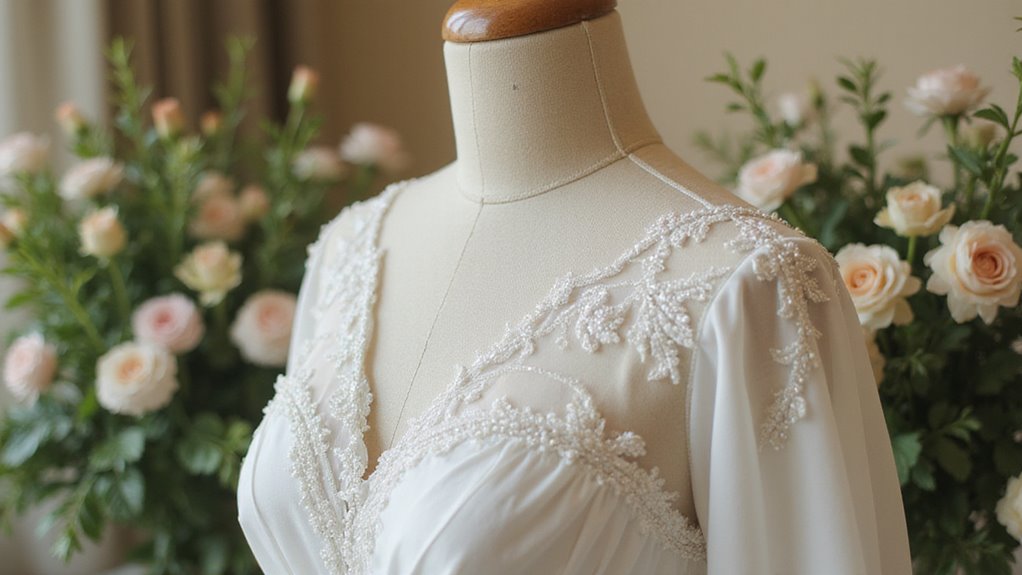
While many associate white wedding dresses with tradition today, the origins of this custom are rooted in history and culture. In ancient times, brides wore a variety of colors, often reflecting their social status or personal preference. For example, blue was popular in medieval Europe, symbolizing purity and protection. The concept of wearing white for weddings didn’t gain traction until the 19th century. Before that, practicality was key; brides often chose dresses they could wear again. As you explore this history, you’ll discover that the color choice often represented wealth and social standing. The materials and styles varied greatly, showcasing the bride’s family’s status and the cultural influences of her time. Understanding these origins enriches your appreciation for the modern white wedding dress.
Queen Victoria and the White Dress Revolution
When Queen Victoria married Prince Albert in 1840, she chose a stunning white gown made of silk satin, forever changing the landscape of bridal fashion. Before her wedding, brides typically wore colorful dresses or their best outfits, but Victoria’s bold choice popularized the white dress trend. You might not realize how influential her decision was; soon, women across England and beyond began to emulate her style. The white dress symbolized purity and innocence, making it a favored choice for brides. This shift laid the groundwork for the modern wedding dress you see today. Victoria’s influence didn’t just create a trend; it sparked a cultural movement that redefined how weddings were celebrated, cementing the white dress as a timeless staple.
Symbolism of Color in Weddings
Queen Victoria’s choice of a white dress not only set a trend but also highlighted the deeper meanings associated with color in weddings. Each color you choose can evoke specific emotions and symbolize different aspects of your relationship. For instance, white often represents purity and innocence, making it a popular choice for brides. Red, on the other hand, symbolizes love and passion, often seen in many cultures as the color of celebration. Blue can signify loyalty and fidelity, while green is linked to growth and harmony. By selecting a color for your wedding, you’re not just making a fashion statement; you’re weaving a narrative about your union, reflecting your values, and expressing your hopes for the future together.
Cultural Variations in Wedding Dress Colors
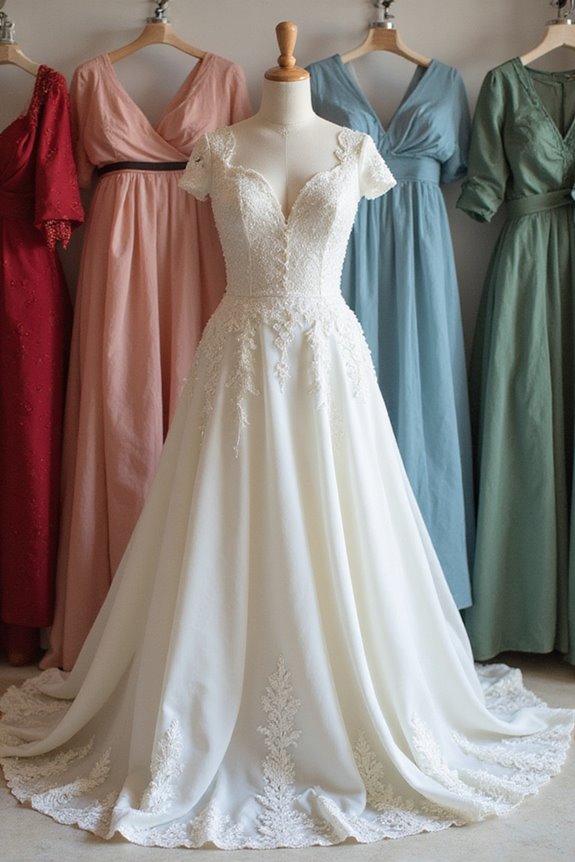
Although white is often the traditional choice in Western weddings, many cultures embrace a variety of colors for bridal gowns, each carrying its own significance. For instance, in India, brides commonly wear red, symbolizing prosperity and fertility. In China, red is also favored, representing good luck and happiness, while in some African cultures, vibrant colors like yellow or green may be worn to signify joy and new beginnings. In contrast, some Latin American countries see brides donning shades of purple or blue, reflecting spirituality and tranquility. These colorful choices highlight the unique traditions and beliefs surrounding marriage, allowing you to celebrate your heritage or personal style on your special day. Embracing these variations can create a more meaningful wedding experience.
The Influence of Fashion Trends
As bridal fashion evolves, the influence of contemporary trends shapes the perception of wedding dresses, often leading brides to rethink the traditional choice of white. Today, you might find yourself drawn to bold colors, intricate patterns, or alternative styles that reflect your personality. Designers are experimenting with unique fabrics and silhouettes, showcasing a wider array of options that challenge the status quo. You may even notice a rise in non-traditional elements, like jumpsuits or two-piece sets, which can express your individuality more than a classic gown. Social media platforms and influencers play a significant role in this shift, inspiring brides to embrace their unique vision and redefine what a wedding dress can be. Ultimately, it’s about celebrating your style on your special day.
The Role of Media and Celebrity Weddings
Media coverage and celebrity weddings have a powerful impact on bridal fashion, often setting trends that many brides feel compelled to follow. When a high-profile figure like Kate Middleton or Kim Kardashian steps down the aisle in a stunning gown, it captivates the public’s imagination. You might find yourself drawn to similar styles, whether it’s lace sleeves or a dramatic train, as these images flood your social media feeds. The influence doesn’t stop at the dress; it extends to hairstyles, accessories, and even wedding themes. Bridal magazines and online platforms highlight these celebrity choices, making them more accessible and desirable. As a bride, you may feel the pressure to emulate these glamorous looks, shaping your own wedding vision in the process.
Modern Interpretations and Trends in Wedding Attire
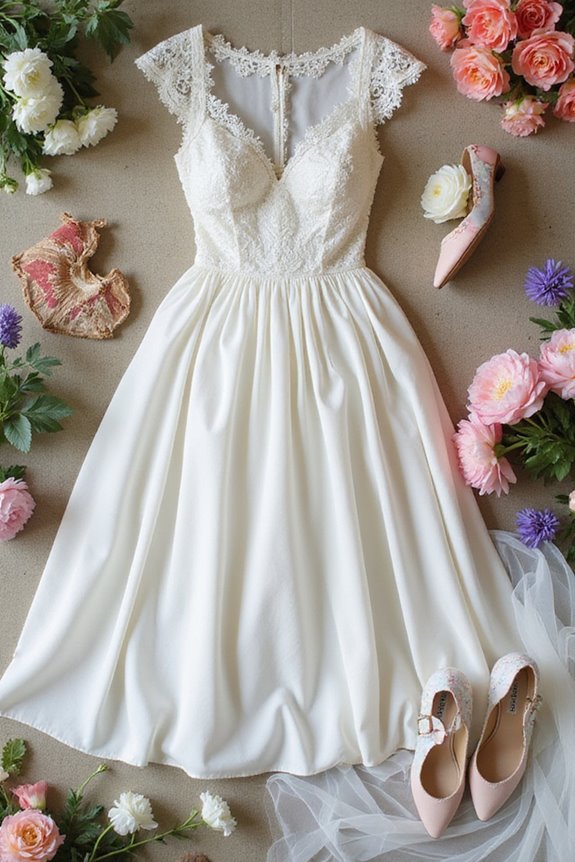
While traditional white wedding dresses still hold a special place in bridal fashion, many modern brides are embracing a wider array of colors, styles, and fabrics that reflect their unique personalities and cultural backgrounds. You might find brides opting for bold hues like red, blue, or even patterned gowns that tell their story. Minimalist silhouettes and tailored suits are also gaining popularity, showcasing individuality and personal taste. Additionally, eco-friendly fabrics and sustainable practices are becoming essential for many couples, aligning their wedding attire with their values. Accessories, like statement jewelry or unique shoes, further allow you to express yourself. Ultimately, today’s wedding attire is all about authenticity, inviting you to break free from tradition and celebrate your distinct style.
Frequently Asked Questions
What Materials Are Traditionally Used for Wedding Dresses?
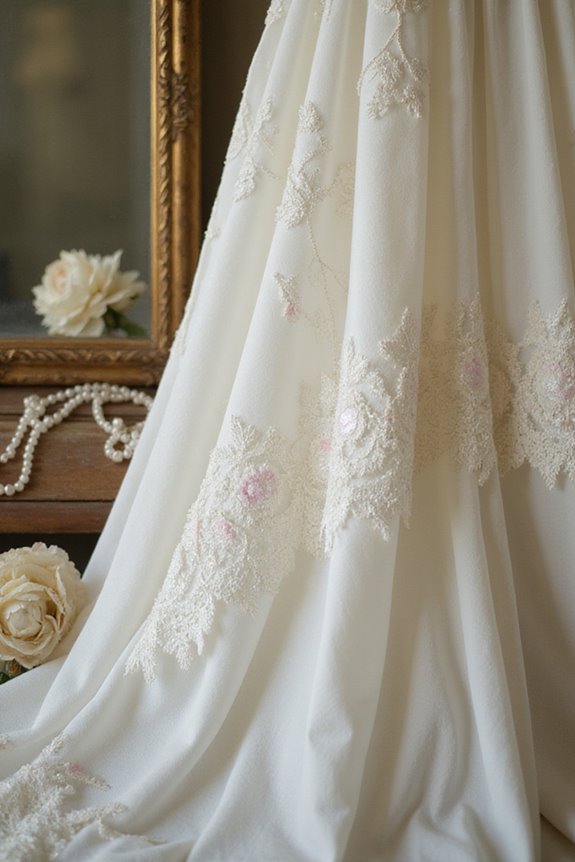
Traditionally, wedding dresses are made from silk, satin, lace, and tulle. These materials create an elegant look, enhancing the dress’s beauty and flow. Many brides also incorporate beading or embroidery for added detail and personalization.
How Has the Cost of Wedding Dresses Changed Over Time?
Over time, wedding dress costs have considerably increased due to rising material prices and designer exclusivity. Nowadays, you’ll find options ranging from affordable to extravagant, reflecting personal budgets and the evolving nature of weddings.
Are There Any Famous Designers Known for Wedding Dresses?
Yes, there’re several famous designers known for wedding dresses. You might recognize Vera Wang, Monique Lhuillier, and Oscar de la Renta. Their unique styles and exquisite craftsmanship have made them favorites among brides worldwide.
What Are Some Common Alterations Made to Wedding Dresses?
Common alterations to wedding dresses include hemming for length adjustments, taking in or letting out seams for fit, adding or removing straps, and modifying necklines. Each change guarantees the dress complements your unique style perfectly.
How Do Brides Choose Their Wedding Dress Styles Today?
Brides today choose wedding dress styles by considering personal taste, body shape, and current trends. They often explore various fabrics, silhouettes, and embellishments, ensuring their gown reflects their unique personality and the wedding’s theme.