

Unpacking the Average Wedding Cost
When planning your wedding, it’s easy to feel overwhelmed by the costs involved. Understanding the average expenses can help you navigate your budget more effectively. From venue and catering to photography and attire, each element plays a significant role in your overall spending. But before you start crunching numbers, consider how these expenses can fluctuate based on your choices and location, which might surprise you. Let’s break it down further.
The Essentials
- The average wedding cost varies widely by location, with urban areas often being more expensive than rural settings.
- Major expenses typically include venue rental, catering, photography, and entertainment, which together can consume most of the budget.
- Couples should prioritize must-haves over nice-to-haves to allocate funds effectively and stay within their budget limits.
- It’s essential to plan for unexpected expenses, which can arise during the wedding planning process, to avoid budget overruns.
- Researching local average costs helps couples set realistic budgets and make informed decisions about their wedding expenses.
Understanding Wedding Budget Basics

When planning a wedding, understanding the basics of your budget is essential. Start by determining how much you can realistically spend. Consider contributions from family and any personal savings. Next, prioritize your must-haves versus nice-to-haves; this helps you allocate funds effectively. Remember to account for unexpected expenses, which can easily arise. It’s also wise to research average costs in your area, as this can influence your overall budget. Once you have a clearer picture, create a simple spreadsheet or use an app to track your expenses. This way, you won’t lose sight of your financial goals. Finally, be flexible; sometimes, adjustments are necessary for a more enjoyable and stress-free planning experience.
Breakdown of Major Wedding Expenses
With a better grasp of your wedding budget, it’s time to break down the major expenses you’ll encounter. First up, catering typically takes a big slice of your budget, covering food and drinks for your guests. Next, photography and videography are essential to capture those special moments, so don’t skimp here. Then, consider attire costs, including the wedding dress, suit, and accessories. You’ll also want to budget for flowers and decorations, which can set the mood for your big day. Entertainment, whether it’s a DJ or live band, is another vital expense. Finally, don’t forget about wedding planning services if you need assistance. By understanding these categories, you can allocate your funds more effectively.
Venue Costs: The Biggest Budget Item
While many couples dream of picturesque venues, it’s crucial to recognize that venue costs often represent the largest portion of your wedding budget. From charming barns to elegant ballrooms, the options can be overwhelming. You’ll need to factor in not just the rental fee, but also additional expenses like decorations, setup, and cleaning. Popular venues can book up quickly, so it’s wise to secure your spot well in advance. Remember, the day of your wedding is about creating lasting memories, so choose a venue that reflects your style and accommodates your guest list. By setting a realistic budget for your venue, you’ll have a solid foundation to build upon for the rest of your wedding planning.
Catering and Beverage Expenses

Catering and beverage expenses can account for a significant part of your wedding budget, often ranking just behind venue costs. When planning, you’ll need to take into account the number of guests and the type of meal you want to provide. A sit-down dinner typically costs more than a buffet or food stations. Don’t forget about dietary restrictions; accommodating them can add to your costs.
Beverages also play an important role. You might opt for an open bar, which can get pricey, or a limited selection to keep expenses manageable. Reflect on whether you’ll serve signature cocktails, beer, wine, or non-alcoholic options. By carefully planning your catering and beverage choices, you can create a memorable experience without breaking the bank.
Floral Arrangements and Decor Costs
Floral arrangements and decor costs can quickly add up, often becoming a major part of your wedding budget. From bouquets to centerpieces, the choices you make can greatly impact your overall spending. Fresh flowers tend to be pricier, especially if you’re opting for seasonal blooms, while artificial arrangements might save you some cash. Don’t forget about additional decor elements like candles, table settings, and backdrops, which can enhance your venue’s ambiance. It’s crucial to prioritize what’s most important to you—whether that’s a stunning floral arch or elegant table decor. Setting a clear budget for floral arrangements and decor early on will help you stay on track and guarantee your vision comes to life without breaking the bank.
Photography and Videography Investments
Photography and videography investments can greatly shape how you remember your wedding day. These professionals capture the emotions, details, and special moments you’ll cherish forever. It’s crucial to allocate a reasonable budget for this aspect, as the quality of your photos and videos can vary considerably. While some couples opt for a friend or family member to save costs, hiring experienced photographers and videographers guarantees a polished product. Look for packages that include both services, as often, they offer better rates. Don’t forget to discuss your vision and any specific shots you want. This investment isn’t just about today; it’s about preserving memories for years to come, making it one of the most valuable expenditures for your wedding.
Attire and Beauty Expenses
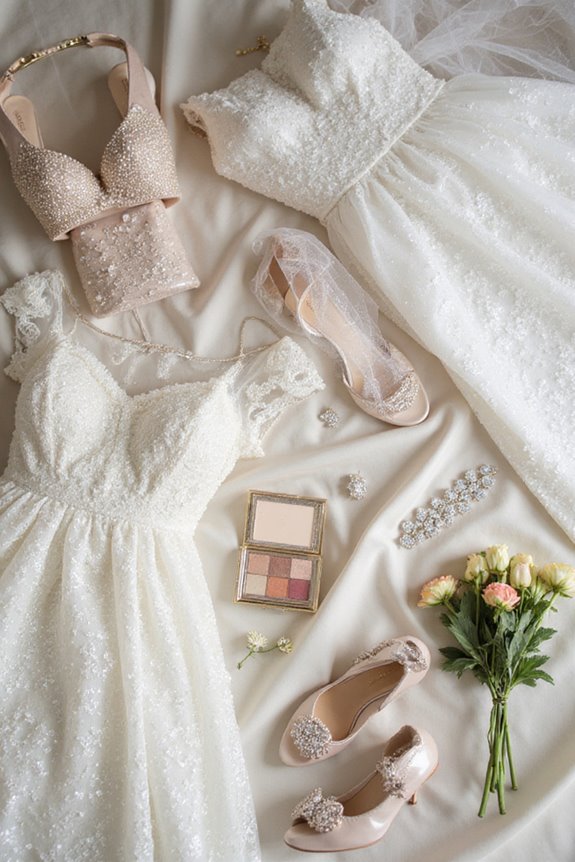
As you plan your wedding, don’t overlook the importance of attire and beauty expenses. This category can quickly add up, so it’s vital to budget wisely. For the bride, the wedding dress is often the most significant expense, but don’t forget about shoes, accessories, and alterations. You might also want to invest in a professional hairstylist and makeup artist to guarantee you look your best on the big day.
Grooms should consider their suit or tuxedo rental or purchase, along with any necessary accessories. Additionally, factor in costs for bridesmaids and groomsmen attire, as well as beauty treatments for them if desired. By planning ahead, you can manage these expenses without sacrificing your vision for a stunning wedding day.
Entertainment Options and Their Costs
When choosing entertainment options for your wedding, it’s essential to find a balance between your vision and your budget. Live bands can cost anywhere from $1,500 to $7,000, depending on their experience and size. If you’re looking for something more affordable, a DJ typically ranges from $800 to $2,500. You might also consider unique options like a photo booth, which usually costs between $500 and $1,500. For a more interactive experience, hiring performers like a magician or caricature artist can add a fun twist, costing around $300 to $1,200. Don’t forget about lighting and sound equipment, which can add another $1,000 to your total. Prioritize what matters most to you to make the best choice!
Tips for Staying Within Your Wedding Budget
While planning your wedding can be exciting, it’s easy to get carried away with expenses. To stay within your budget, start by setting a realistic total amount you can spend. Break it down into categories like venue, attire, and catering, and allocate specific amounts for each. Prioritize what’s most important to you—whether it’s the guest list, food, or decor—so you know where to splurge and where to save.
Consider DIY projects for decorations or invitations to cut costs. Don’t hesitate to negotiate with vendors or find alternatives that fit your budget. Finally, keep track of your spending throughout the planning process to avoid surprises. By staying organized and focused, you can enjoy your big day without financial stress.
Frequently Asked Questions
How Can I Save Money on Wedding Invitations?
You can save money on wedding invitations by opting for digital invites, choosing simpler designs, buying in bulk, or creating them yourself. Don’t forget to compare prices from different vendors for the best deals!
Are There Hidden Fees in Wedding Contracts?
Yes, there can be hidden fees in wedding contracts. You should carefully read the fine print, ask questions, and clarify any extra costs like service charges, overtime fees, or additional services to avoid surprises later.
How Do I Handle Last-Minute Guest List Changes?
You can handle last-minute guest list changes by staying flexible. Contact your vendors to adjust numbers, and communicate with guests promptly. Don’t stress too much; focus on enjoying your special day with loved ones.
What Are Affordable Alternatives to Traditional Wedding Gifts?
You might consider experiences like spa days, homemade gifts, or contributions to a honeymoon fund. Charitable donations in your name or group gifts can also be thoughtful, affordable alternatives that reflect your unique style and values.
Is It Necessary to Provide Transportation for Guests?
It’s not necessary to provide transportation for guests, but it can be a thoughtful gesture. Consider your venue’s accessibility and your guests’ convenience. If budget allows, a shuttle service might enhance their experience.